
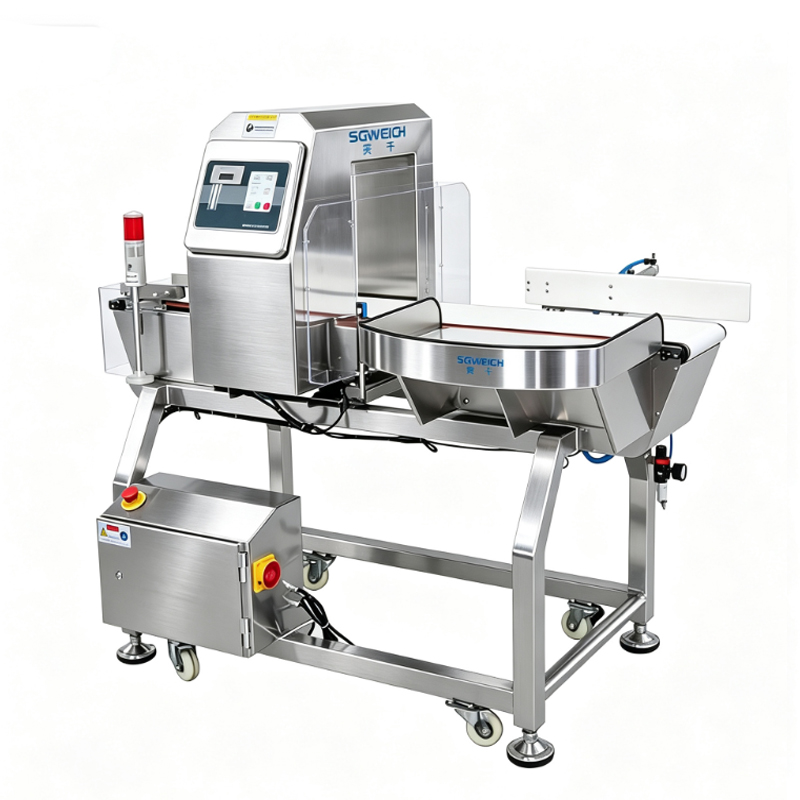
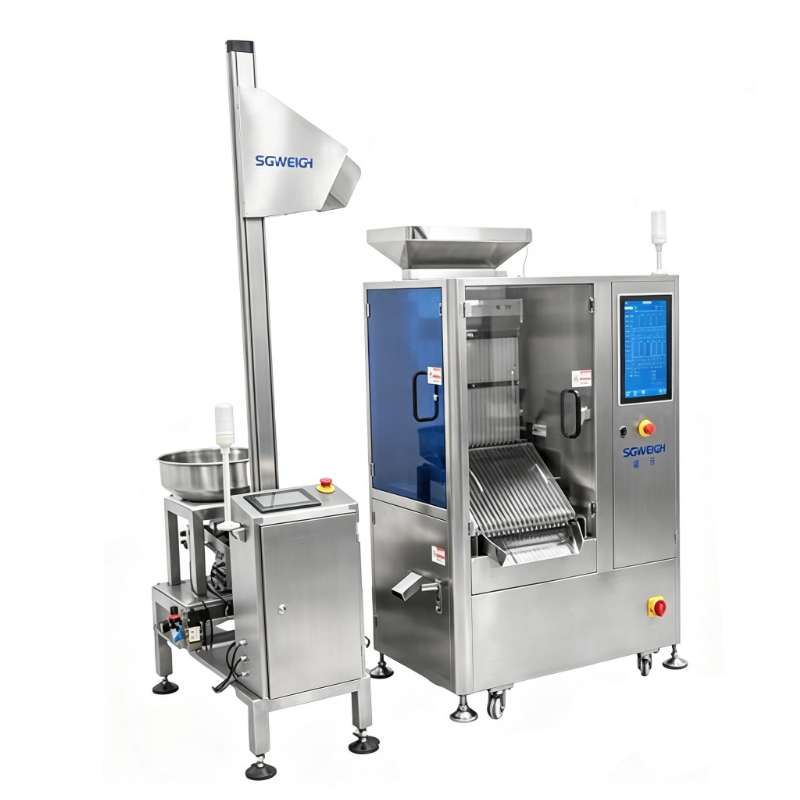

In today’s fast-paced manufacturing environment, efficiency, accuracy, and compliance are non-negotiable. Many companies looking to upgrade their quality control systems often ask: Can a checkweigher integrate with existing production lines?
The short answer is yes—but the real value lies in how seamlessly and effectively the integration is executed. This guide explores everything you need to know about integrating an industrial checkweigher into your current production setup, including benefits, compatibility factors, and best practices.
Can a Checkweigher Be Integrated into Existing Lines?
Yes—With the Right Configuration
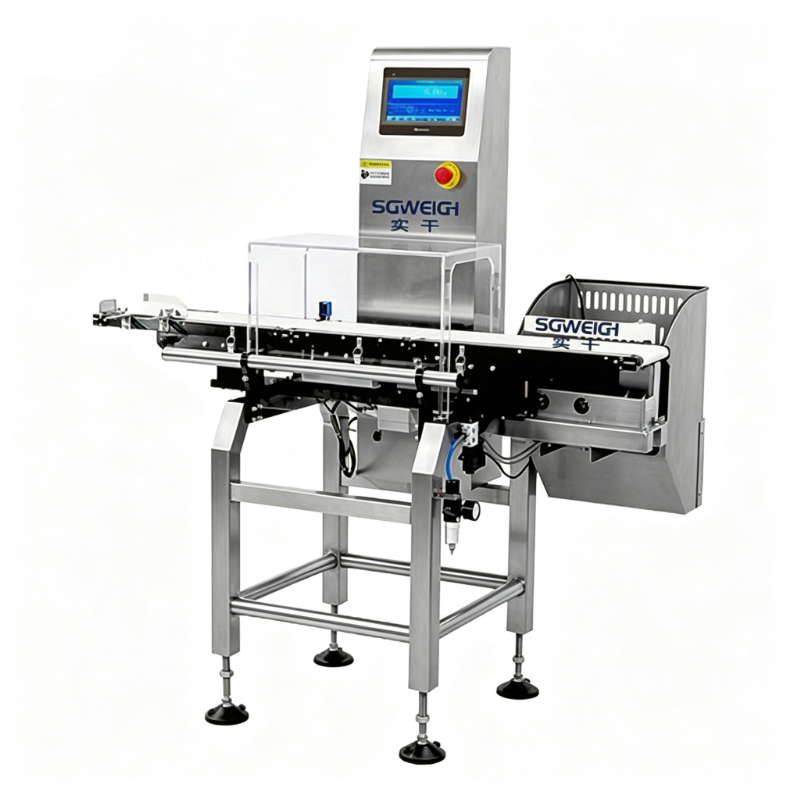
Modern checkweighers are designed with flexibility in mind. A dynamic checkweigher can be integrated into existing production lines with minimal disruption, thanks to modular designs, customizable conveyor setups, and advanced communication interfaces.
However, successful integration depends on several key factors.
Key Factors That Affect Integration
1. Line Layout and Space Availability
Before installation, it’s essential to evaluate:
Available conveyor length
Height and width compatibility
Infeed and outfeed alignment
Compact designs, including inline checkweigher equipment, are available for tight spaces, making integration possible even in constrained environments.
2. Conveyor System Compatibility
Checkweighers must align with your current conveyor system, including:
Belt speed
Product spacing
Material handling requirements
A properly designed checkweigher conveyor system ensures smooth product flow and accurate weighing performance.
3. Product Type and Packaging
Different products require different configurations:
Lightweight vs. heavy items
Rigid vs. flexible packaging
Bottles, boxes, sachets, or bulk goods
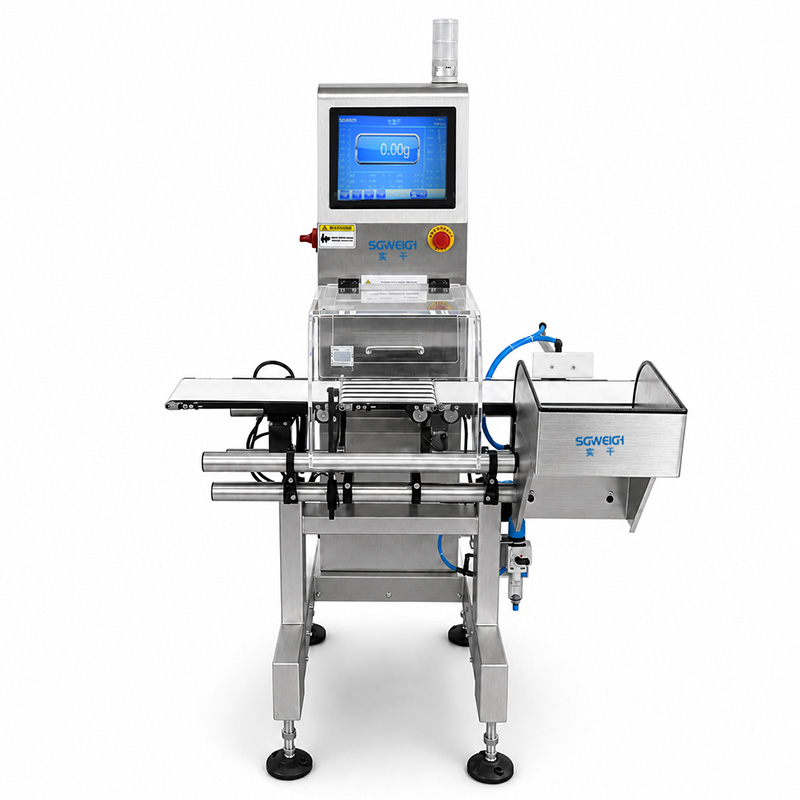
A versatile package checkweigher can handle multiple product types with quick changeover features.
4. Communication & Control Systems
Integration with existing automation systems is critical. A modern automatic checkweigher system supports:
PLC (Programmable Logic Controller) communication
Ethernet/IP, Modbus, and other industrial protocols
HMI (Human-Machine Interface) synchronization
This allows real-time data exchange and centralized control.
5. Compliance and Industry Standards
For regulated industries like pharmaceuticals and food, checkweighers must comply with:
GMP (Good Manufacturing Practice)
HACCP standards
FDA or EU regulations
Integration must ensure that these standards are maintained or enhanced.

Benefits of Integrating a Checkweigher
1. Improved Product Quality
Ensures every product meets weight specifications, reducing underfilled or overfilled items.
2. Reduced Waste and Cost Savings
Minimizes product giveaway and material waste, improving profitability.
3. Increased Automation
Reduces manual inspection and human error, especially when using a high speed checkweigher in fast production environments.
4. Real-Time Data Monitoring
Provides valuable production data for analysis, optimization, and traceability.
5. Seamless Integration with Other Systems
Checkweighers can work alongside:
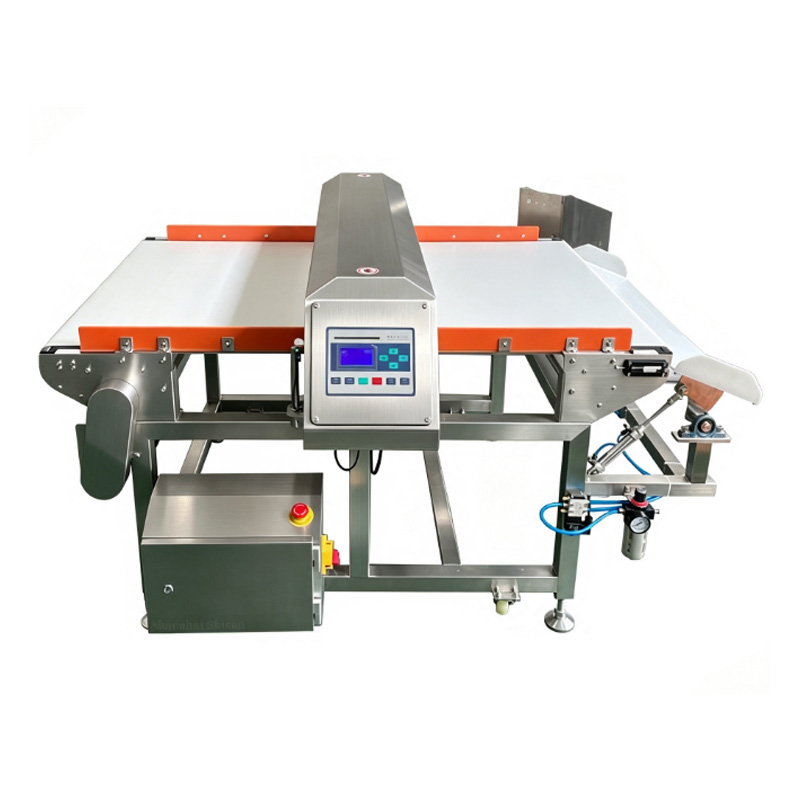
Metal detectors
X-ray inspection systems
Labeling and packaging machines
Creating a fully automated quality control line.
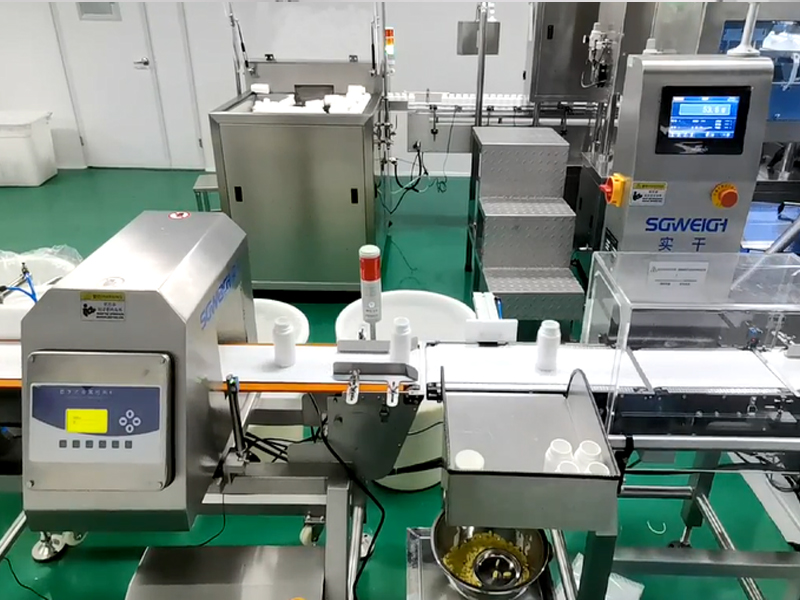
Common Integration Methods
Inline Integration
The checkweigher is installed directly within the production line, allowing continuous weighing without stopping production using inline checkweigher equipment.
Combination Systems
Checkweighers can be combined with other inspection equipment (e.g., metal detectors) into a single compact unit, saving space and simplifying installation.
Challenges and How to Overcome Them
Limited Space
Solution: Use compact or custom-designed checkweighers.
Line Speed Variations
Solution: Select a high speed checkweigher with advanced dynamic weighing capabilities.
Product Instability
Solution: Implement guiding systems or spacing mechanisms.
Integrating a checkweigher into an existing production line is not only possible but also highly beneficial. With the right planning, equipment selection, and technical support, manufacturers can enhance quality control, reduce waste, and improve overall operational efficiency.
Whether you are upgrading a legacy system or optimizing a modern production line, a well-integrated automatic checkweigher system is a strategic investment that delivers long-term value. If you would like to know more, please contact us for free solutions!