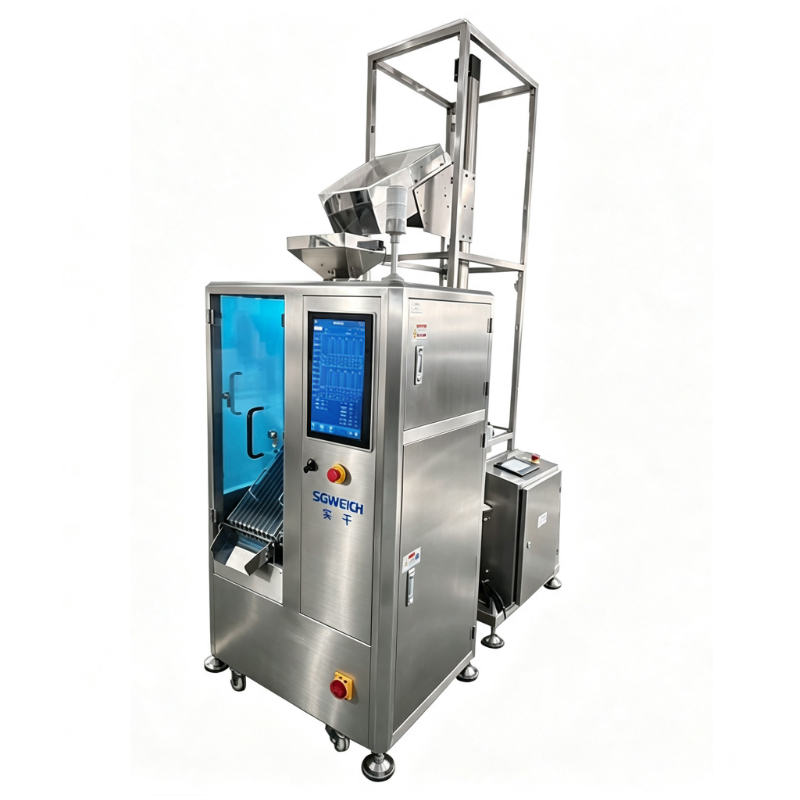
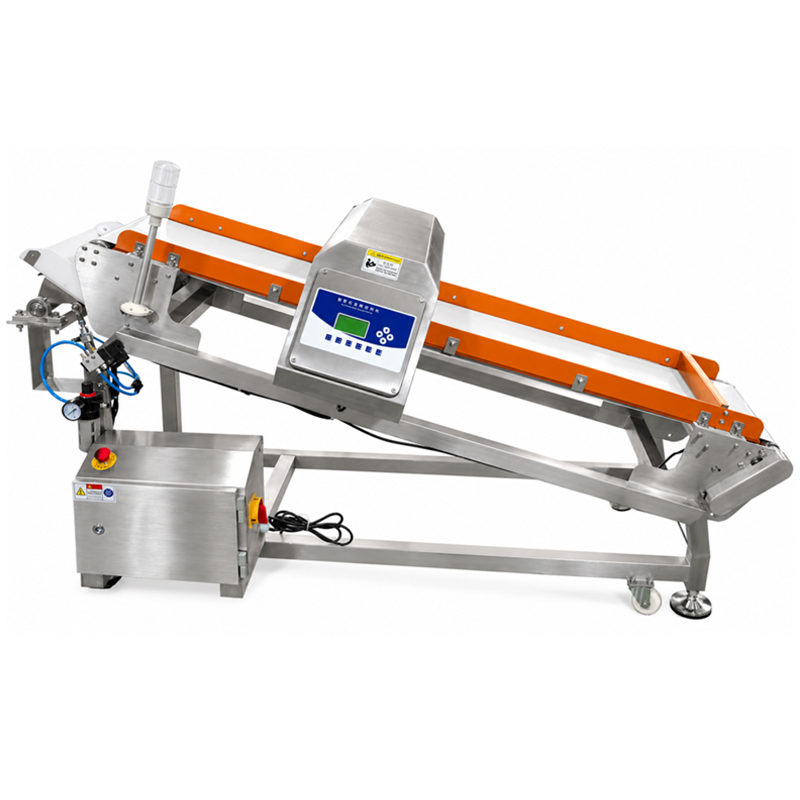
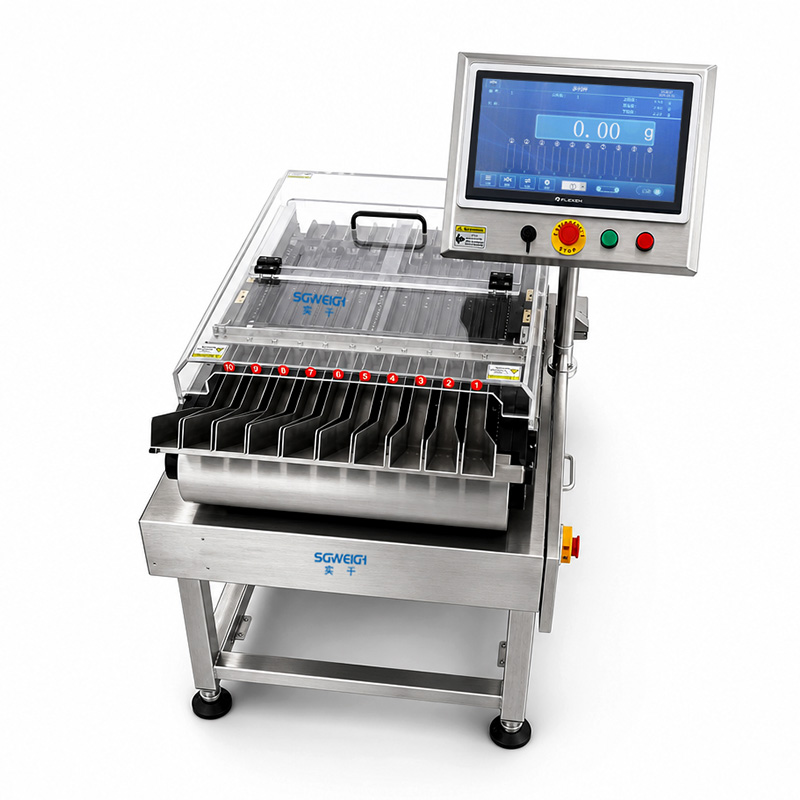
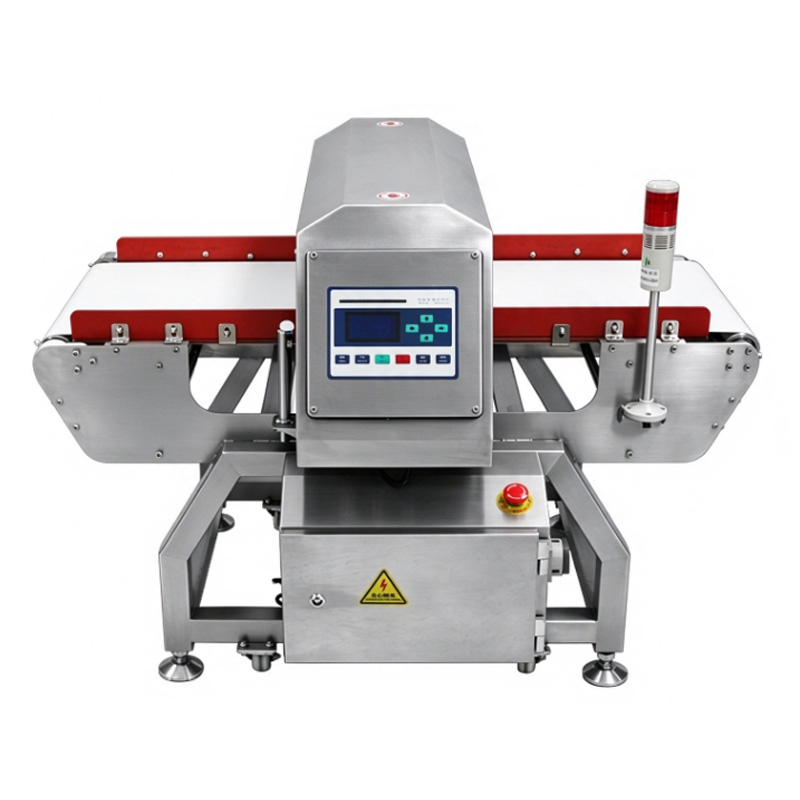

A capsule and tablet metal detector is a specialized inspection system designed to identify and reject metal contaminants—ferrous, non-ferrous, and stainless steel—in loose solid dosage products before they are packaged into bottles, blisters, or cartons. Unlike general-purpose industrial metal detectors built for large food packages or bulk materials, pharmaceutical metal detectors are engineered around a narrow product path and tuned for the small size and low mass of individual tablets and capsules.
If you are searching for a pharmaceutical metal detector for tablet presses, a capsule metal detection system for filling lines, or a high-sensitivity metal detector for nutraceutical solid dosage production, understanding how these systems work is essential for selecting equipment that meets both sensitivity and regulatory requirements.
How Does a Capsule and Tablet Metal Detector Work?
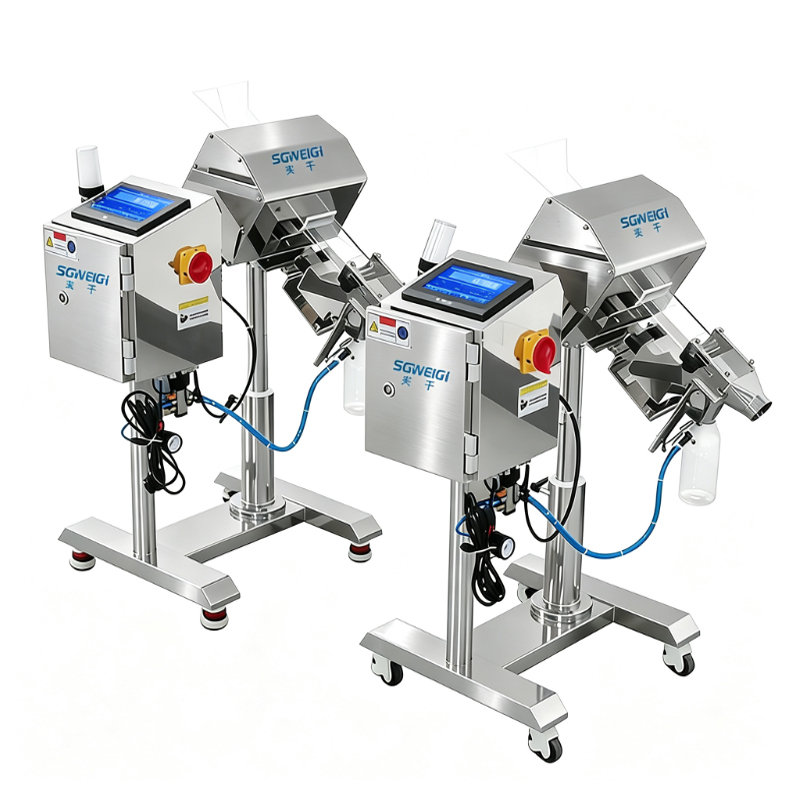
The working principle of a pharmaceutical metal detector is based on electromagnetic field disturbance. A typical system contains a transmitter coil (or coils) that emits a radio-frequency signal, with two receiver antennas positioned at equal distances on either side of the transmitter. This coil array is mounted around an aperture through which the product passes.
When no magnetic or conductive material is present inside the aperture, the field remains balanced, and the signals at each receiver are identical. When a metal particle travels through the aperture, it creates a detectable imbalance in the field. The system’s digital signal processor analyzes this imbalance and triggers the reject mechanism, removing the contaminated product from the stream.
Step 1: Gravity-Fed Product Flow
Most capsule and tablet metal detectors use a gravity-fed inclined chute to guide individual units through the detection aperture. The chute design limits drop height to minimize damage to fragile tablets and capsules during inspection. Products flow in a single-file line, ensuring each unit passes through the detection zone individually.
Step 2: Signal Processing and Product Effect Compensation
Pharmaceutical products can present a challenge known as “product effect”—some formulations contain iron or other conductive elements that create their own signal, potentially masking small contaminants. Modern detectors use a technique called phasing, where the system first learns the magnetic (X) and conductive (R) signal characteristics of the good product. During production, any signal with the same ratio and similar magnitude is ignored, allowing genuine metal contaminants to be detected even in iron-rich formulations.
Step 3: Failsafe Rejection
When a contaminant is detected, a fast-acting reject mechanism—typically a flap diverter or plunger—removes the contaminated product along with a minimal amount of surrounding good product. Critically, pharmaceutical detectors are designed with failsafe operation: if power is lost or a fault occurs, the reject mechanism defaults to the reject position, ensuring contaminated product cannot pass into the good product stream.
What Sensitivity Can You Expect for Tablets and Capsules?
Sensitivity is the most critical specification for pharmaceutical metal detection. Typical detection capabilities for small-aperture pharmaceutical configurations are:
| Metal Type | Typical Detection Capability |
|---|---|
| Ferrous (Fe) | φ0.22–0.25 mm |
| Non-Ferrous (Non-Fe) | φ0.25–0.30 mm |
| Stainless Steel (SUS316) | φ0.37–0.40 mm |
These figures represent maximum sensitivity within the detection zone. The general industry target for pharmaceutical solid dosage applications is sub-0.5 mm for all metal types. Actual performance in production depends on product characteristics, throughput speed, aperture size, and environmental factors such as vibration and electromagnetic noise from nearby equipment.
Where Should a Metal Detector Be Installed on a Tablet or Capsule Line?
The optimal installation point is after the product has been formed or filled but before final packaging. Common positions include:
-
After the tablet press – Detects risks from punches, dies, and discharge components
-
After the tablet deduster – Cleaner product flow for more stable inspection
-
After the capsule filling machine – Checks filled capsules after dosing and closing
-
After capsule polishing – Reduced surface powder improves handling
Installing inspection too early may miss contaminants introduced by later equipment, while installing too late makes rejection difficult once products have entered bottles or blisters.
What Compliance Features Matter for Pharmaceutical Metal Detectors?
For regulated pharmaceutical production, compliance is not optional. Key features to verify include:
-
cGMP construction – Stainless steel product contact parts, tool-free disassembly for cleaning, and smooth surfaces that resist product buildup
-
21 CFR Part 11 compliance – User authentication, audit trails, and secure data export for electronic records and signatures
-
IQ/OQ validation support – Built-in test routines, self-diagnosis, and performance verification functions to support equipment qualification
-
Failsafe reject confirmation – Sensors that verify the contaminated product actually left the product stream, with the reject mechanism defaulting to the reject position on power loss
Frequently Asked Questions
Can the same metal detector handle both tablets and capsules?
Yes. Most pharmaceutical metal detectors can run both product types on the same system, with product-specific recipes stored and recalled via the control interface.
How do I clean and maintain a pharmaceutical metal detector?
Look for tool-free disassembly of contact parts (chutes, reject boxes), adjustable chute angles without tools, and daily verification using certified test pieces (Fe, Non-Fe, SUS) at the start of each shift.
What is the difference between a tablet metal detector and a general industrial detector?
Tablet detectors use narrow apertures and gravity-fed chutes optimized for small, individual units. General industrial detectors have wider apertures for packages or bulk flow, which reduces sensitivity for tiny contaminants in loose tablets or capsules.
Ready to Protect Your Solid Dosage Line from Metal Contamination?
Whether you are running a high-speed tablet press, a capsule filling line, or a nutraceutical production facility, the right metal detector ensures patient safety and regulatory compliance without slowing your throughput.
Shanghai Shigan (SGWEIGH) manufactures pharmaceutical metal detectors for capsules, tablets, and solid dosage applications, with sensitivities down to φ0.22 mm Fe and compliance-ready designs for cGMP and 21 CFR Part 11 environments. Our team can help you match aperture size, chute configuration, and reject method to your specific products and line layout.
Contact us today for a free consultation and product-specific recommendation